Window replacement is one of those home improvements that most people know they need long before they actually do anything about it. The signs are usually obvious — drafts, fogging, rising energy bills, windows that stick or rattle — but it’s easy to get used to them and keep putting the decision off. This guide walks through the key indicators that your windows have reached the end of their useful life and replacement is the right call.
Fogging or Condensation Between the Panes
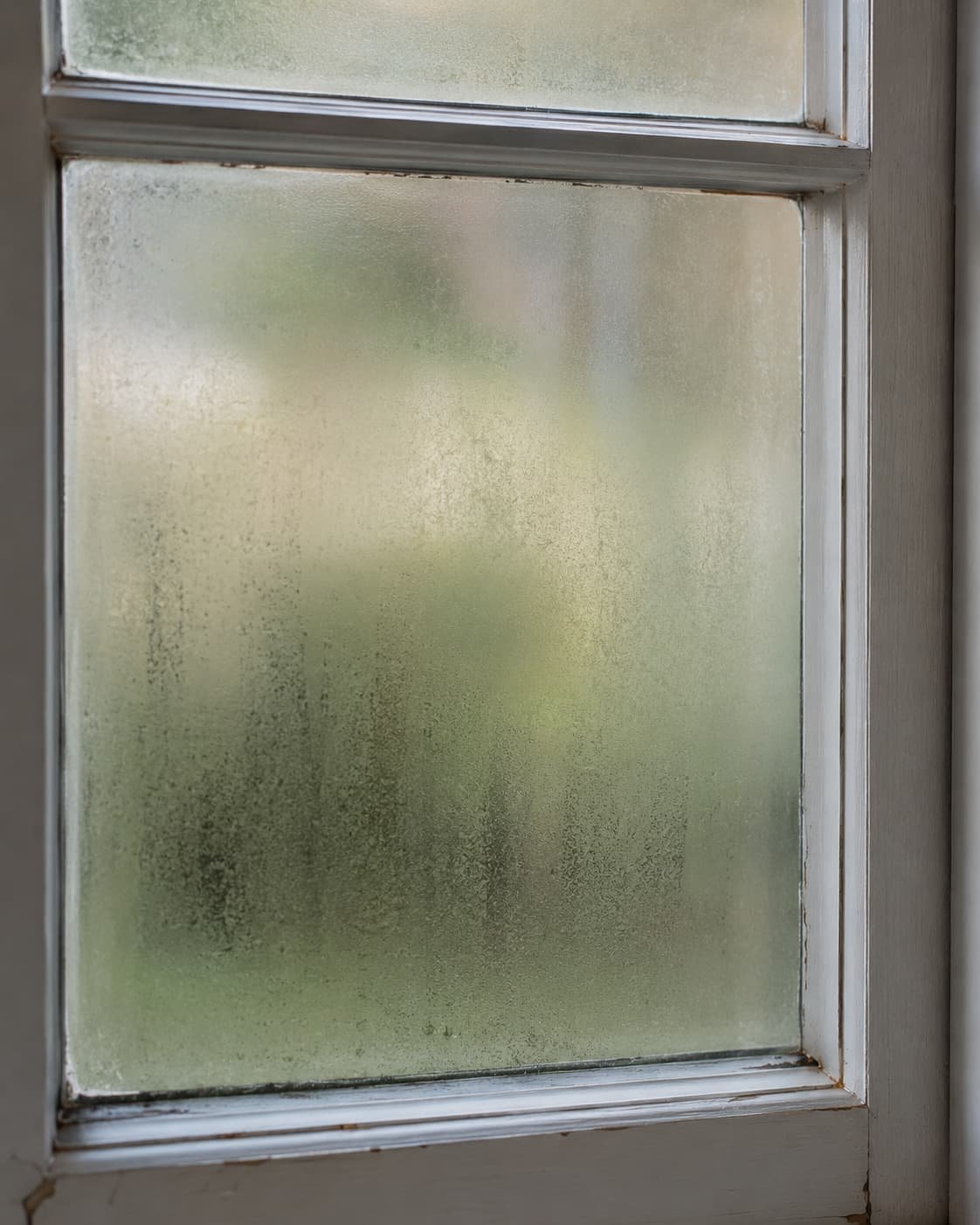
This is the most definitive sign that a double pane window has failed. The fogging or milky haze you see between the glass layers isn’t on the surface — it’s trapped inside the sealed unit. It forms when the seal between the two panes breaks down and allows moist air to enter the insulating gap. Once moisture gets in, it evaporates and condenses repeatedly as temperatures change, eventually leaving a permanent haze or visible moisture droplets between the panes.
A failed sealed unit cannot be repaired. The insulating gas fill is gone, the low-E coating performance is compromised, and the thermal benefit of the double pane construction has been largely eliminated. The only fix is replacing the window.
Drafts Around the Frame
Run your hand around the interior perimeter of your window frame on a windy day. If you can feel cold air moving, the window is no longer sealing correctly. Drafts can come from a failed weatherstrip, a warped or settled frame that no longer closes flush, or perimeter sealing around the rough opening that has cracked and separated over time.
Minor weatherstrip issues can sometimes be addressed with a repair. But if the frame itself has warped or the window no longer closes fully, replacement is the only reliable solution. A window that doesn’t seal correctly in winter will also allow humid outside air in during summer — driving up cooling costs and potentially contributing to moisture problems in the wall cavity around the frame.
Rising Energy Bills
Windows account for a significant proportion of a home’s heat loss in winter and heat gain in summer. If your energy bills have been climbing without an obvious explanation — no change in usage, no change in rates — underperforming windows are one of the most likely causes. Single pane windows provide almost no insulation value. Older double pane windows with failed seals perform only marginally better.
Modern replacement windows with low-E glass coatings and argon gas fills deliver substantially better thermal performance than anything installed more than fifteen years ago. The improvement in energy bills after a full window replacement is typically noticeable within the first billing cycle.
Difficulty Operating the Window
Windows that are difficult to open, won’t stay open, won’t close fully, or have locks that no longer engage properly are both a practical inconvenience and a security issue. Hardware failures on older windows are rarely worth repairing — replacement parts are often unavailable for discontinued units, and even where they are available, the cost of repair on a window that is otherwise at the end of its life rarely makes financial sense.
Visible Damage to the Frame
Timber frames that show signs of rot, cracking, or paint failure beyond the surface are a reliable indicator that moisture has been getting into the frame for some time. Once rot establishes itself in a timber window frame it spreads, and a frame that looks manageable on the surface can be significantly more compromised underneath. PVC frames don’t rot, but they can crack, warp in extreme heat, or pull away from the surrounding masonry or drywall over time.
Any visible structural damage to the frame is a signal to get a professional assessment. For more guidance on window performance standards and ratings, the National Fenestration Rating Council provides independent information on what modern windows should deliver.
Your Windows Are More Than 20 Years Old
Even windows that appear to be functioning reasonably well at twenty years old are likely performing well below their original specification. Seals degrade gradually — the drop in performance is rarely sudden enough to be obviously noticeable on any given day, but the cumulative effect on energy bills and comfort over years is significant. If your windows are approaching or past the twenty-year mark, a professional assessment is worth carrying out even if you haven’t noticed obvious problems yet.
Tulsa Window Pros offers free no-obligation assessments for homeowners across Tulsa, Broken Arrow, Owasso, Bixby, Jenks, Sand Springs, and Sapulpa. Call us on (918) 359-9933 or complete our Free Estimate form to get started.