
Energy efficient windows are one of the most consistently recommended home upgrades for Oklahoma homeowners — but are they actually worth the investment? The short answer is yes, particularly in Tulsa’s climate where both summer cooling costs and winter heating bills give well-specified windows plenty of opportunity to perform. This post breaks down what energy efficient windows actually do, what the numbers look like in practice, and what to prioritise when choosing replacement windows for an Oklahoma home.
Why Oklahoma’s Climate Makes Energy Efficient Windows a Strong Investment
Oklahoma sits in a climate zone that is genuinely demanding in both directions. Summers in the Tulsa area are long, hot, and sunny — average high temperatures exceed 90°F through June, July, and August, and the sun angle means south and west-facing windows take a significant direct radiant heat load through those months. Winters bring cold snaps that can push temperatures well below freezing, with wind chill making poorly insulated homes genuinely uncomfortable and expensive to heat.
This dual-season pressure is exactly the environment where energy efficient windows deliver the most value. A window optimised for Oklahoma’s climate reduces solar heat gain in summer — keeping radiant heat out and reducing the load on your air conditioning system — while also providing better insulation in winter, keeping heat inside and reducing the work your furnace has to do to maintain a comfortable temperature.
The Key Performance Ratings — What to Look For
Energy efficient windows are rated independently by the National Fenestration Rating Council, which provides verified figures for every certified window unit across several performance metrics. The two that matter most for Oklahoma homes are U-factor and solar heat gain coefficient.
U-factor measures how quickly heat passes through the window in either direction — the lower the number, the better the insulation. For Oklahoma winters, a U-factor of 0.30 or below is a strong target. Solar heat gain coefficient (SHGC) measures how much of the sun’s radiant heat passes through the glass into the room — again, lower is better for a hot climate. For south and west-facing windows in Tulsa that take direct afternoon sun, an SHGC of 0.25 or below is a worthwhile specification.
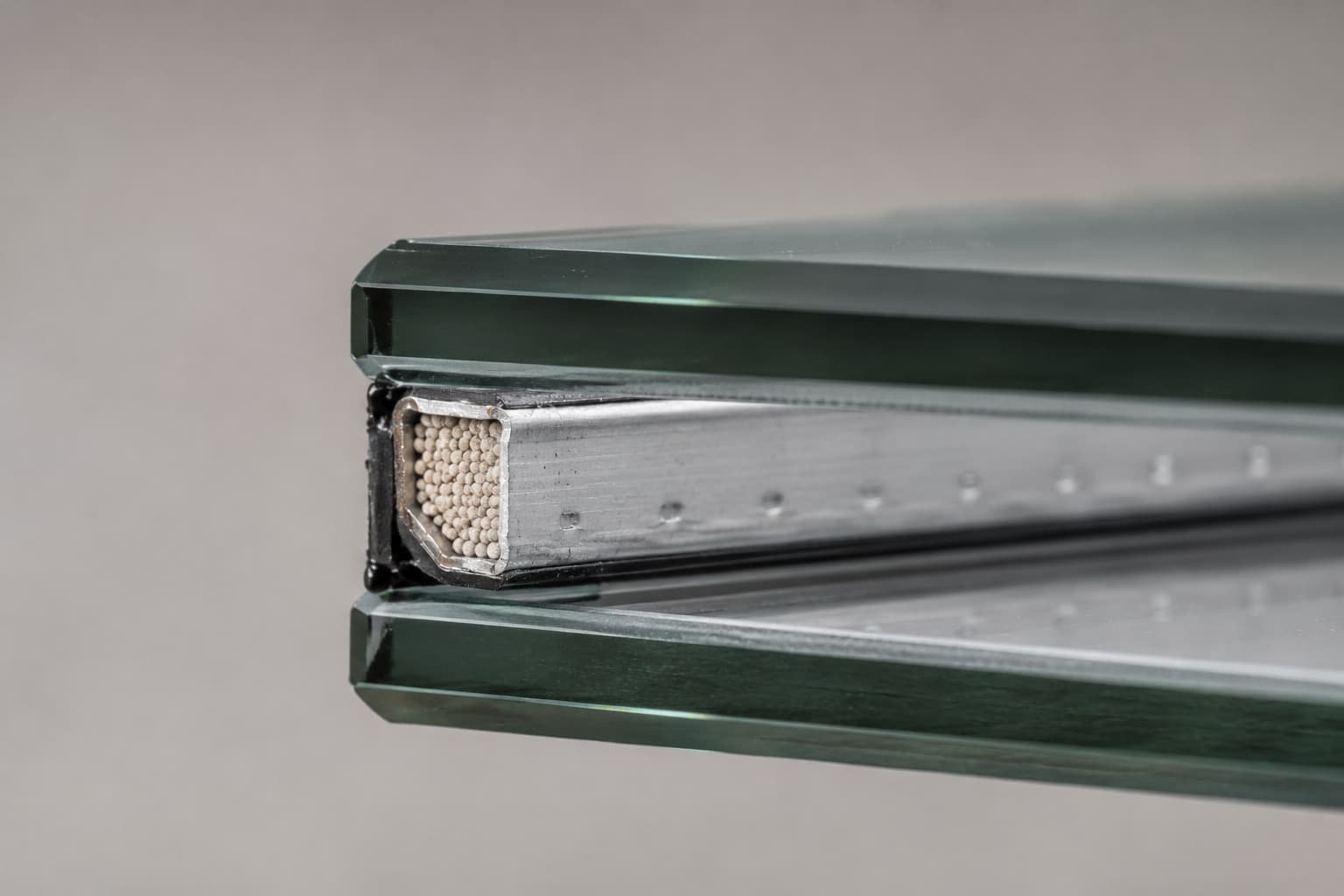
The combination of a low U-factor and a low SHGC — achieved through low-E glass coatings and argon gas fills — is what makes a modern replacement window genuinely energy efficient rather than just marketed as such. The NFRC label on a certified window gives you these numbers independently verified, so you’re not relying on manufacturer claims alone.
What the Savings Look Like in Practice
Precise savings figures depend on the size of the home, the number of windows being replaced, the orientation of those windows, and the specification of the units being installed. As a general guide, replacing single pane windows with modern low-E double pane units in an average-sized Oklahoma home typically delivers a meaningful reduction in both heating and cooling costs — enough to be noticeable on monthly bills rather than only visible in an annual comparison.
The payback period — the point at which accumulated energy savings equal the cost of the installation — varies by project but typically falls in the range of seven to twelve years for a full house replacement. That figure improves if energy prices rise, if the home has particularly poor existing windows, or if the replacement specification is well matched to the home’s orientation and usage patterns. Beyond the payback period, the savings continue for the life of the window — typically twenty-five years or more for a quality installation.
Beyond Energy Bills — The Comfort Argument
Energy bill savings are the headline number, but comfort is often the more immediately felt benefit. A home with modern energy efficient windows maintains a more consistent indoor temperature throughout the day — fewer cold spots near windows in winter, less radiant heat discomfort near south-facing glass in summer. The reduction in drafts alone makes a significant difference to how a home feels to live in, particularly in older properties where draughty windows have been a persistent background irritant for years.
Acoustic performance also improves with modern double pane units. Road noise, neighbour noise, and general outdoor activity comes through significantly less clearly through a well-sealed insulated glass unit than through an older single pane or failed double pane window.
Are Energy Efficient Windows Worth It for Tulsa Homeowners?
For the vast majority of Tulsa homeowners replacing windows that are more than fifteen years old, the answer is clearly yes. The combination of energy savings, improved comfort, better acoustic performance, and the elimination of ongoing maintenance issues from failing windows produces a return that justifies the investment — particularly when the alternative is continuing to heat and cool a home through windows that are actively working against you.
Tulsa Window Pros installs energy efficient window replacement across Tulsa, Broken Arrow, Owasso, Bixby, Jenks, Sand Springs, and Sapulpa. Call us on (918) 359-9933 or complete our Free Estimate form for a free no-obligation estimate.